Case study — Allegheny Connect
Redesigning how people find help.
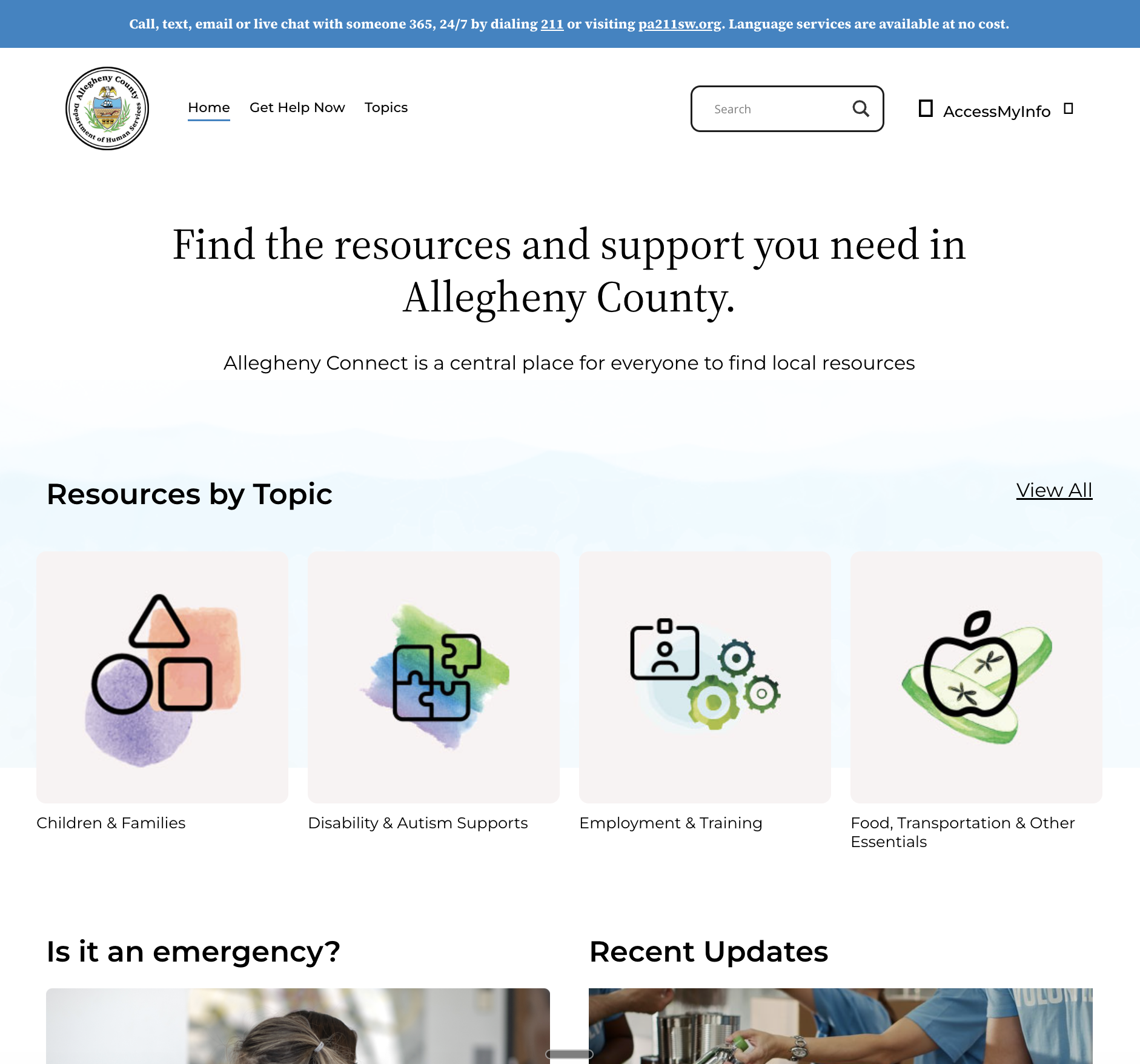
In Allegheny County’s history, the Department of Human Services never had a dedicated public-facing website. I conceived the idea, named it, pitched it internally, and spent four years building the case and the product.
Organization
Allegheny County Department of Human Services
My role
Strategy, research, content design, writing
Outcome
The county’s first unified front door to human services
Live site
01 — Challenge
Human services info was impossible to find.
What existed was dense and fragmented, and scattered across dozens of departments’ hotlines and intake systems. People weren’t able to quickly get the help they needed. We researched how intake worked across every county department, identified what people looked for the most, and used that to design the site architecture and content strategy.
02 — Approach
Built for the people who use it.
Data-driven design
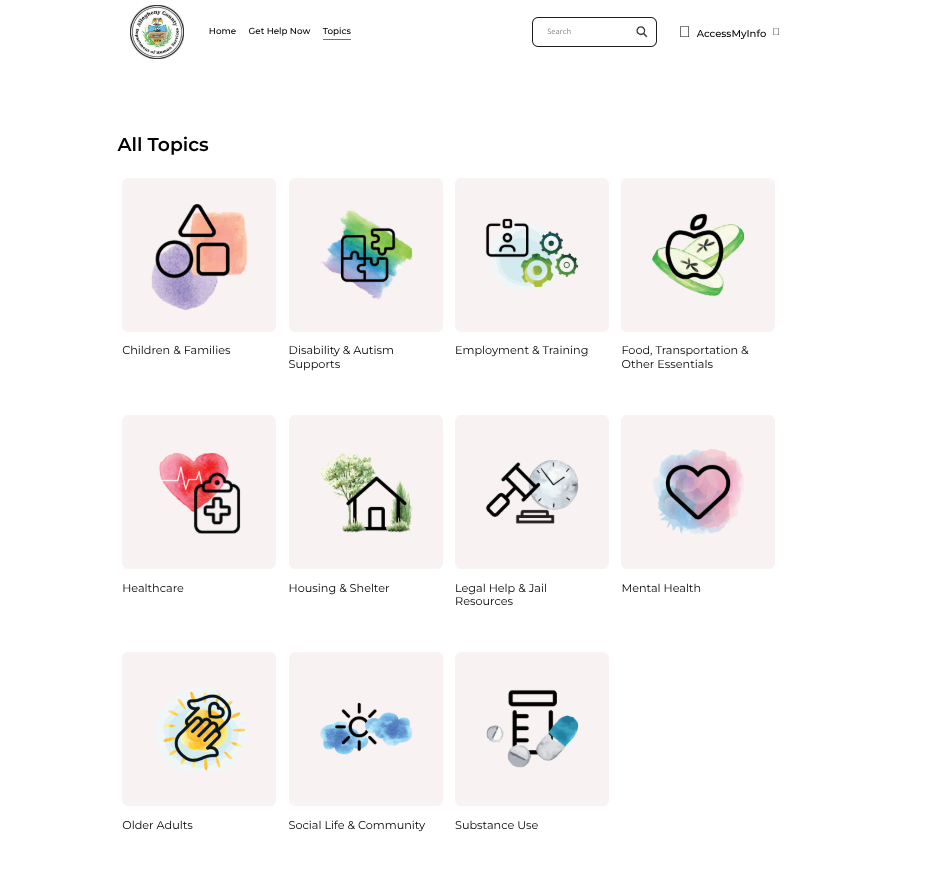
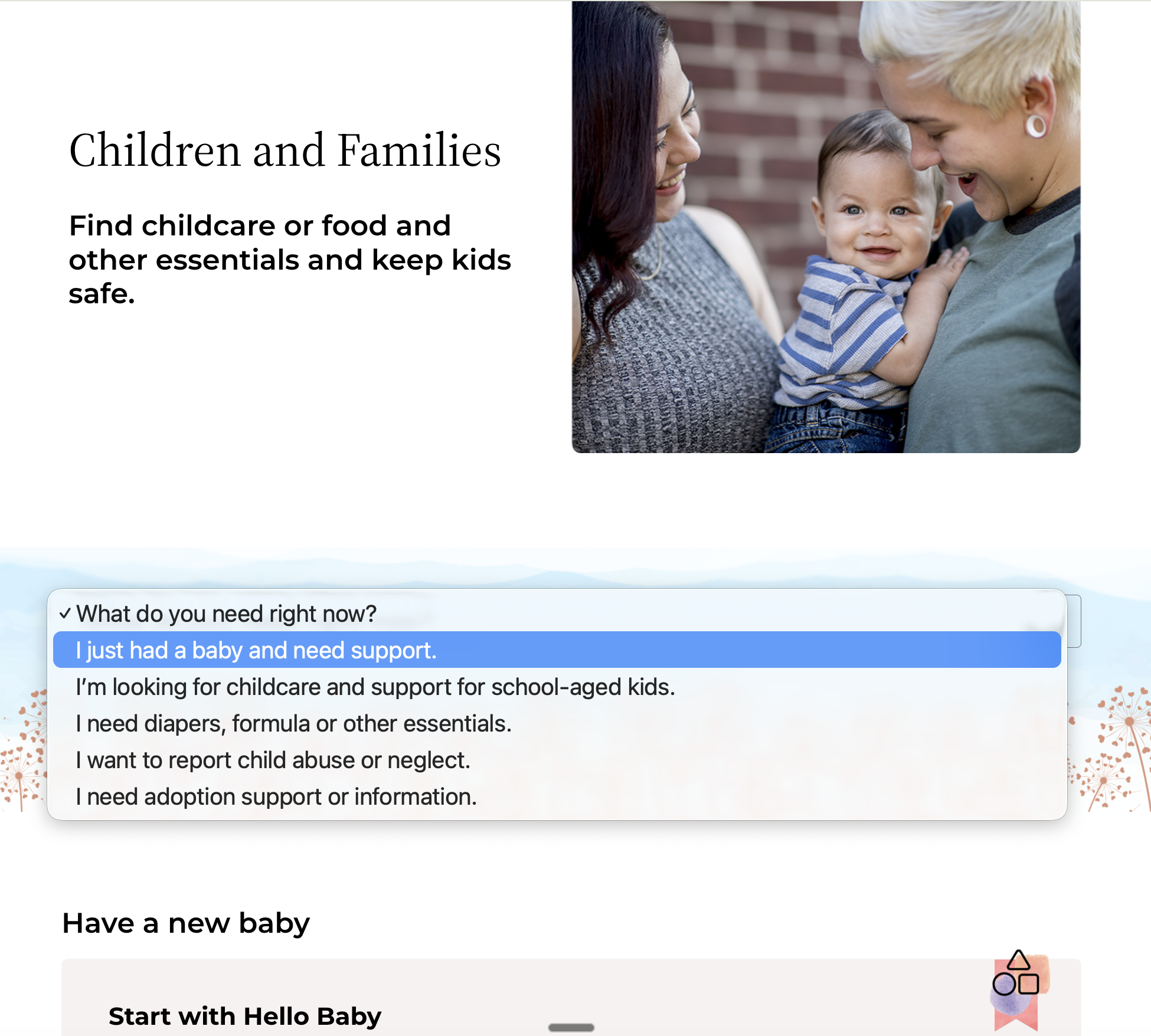
Topics and navigation reflect what people actually search for. We pulled data from across the county’s disparate intake systems to build a content hierarchy based on real need, not organizational structure. Drop-down menus are dynamic and change based on user behavior.
Off-ramps for emergencies
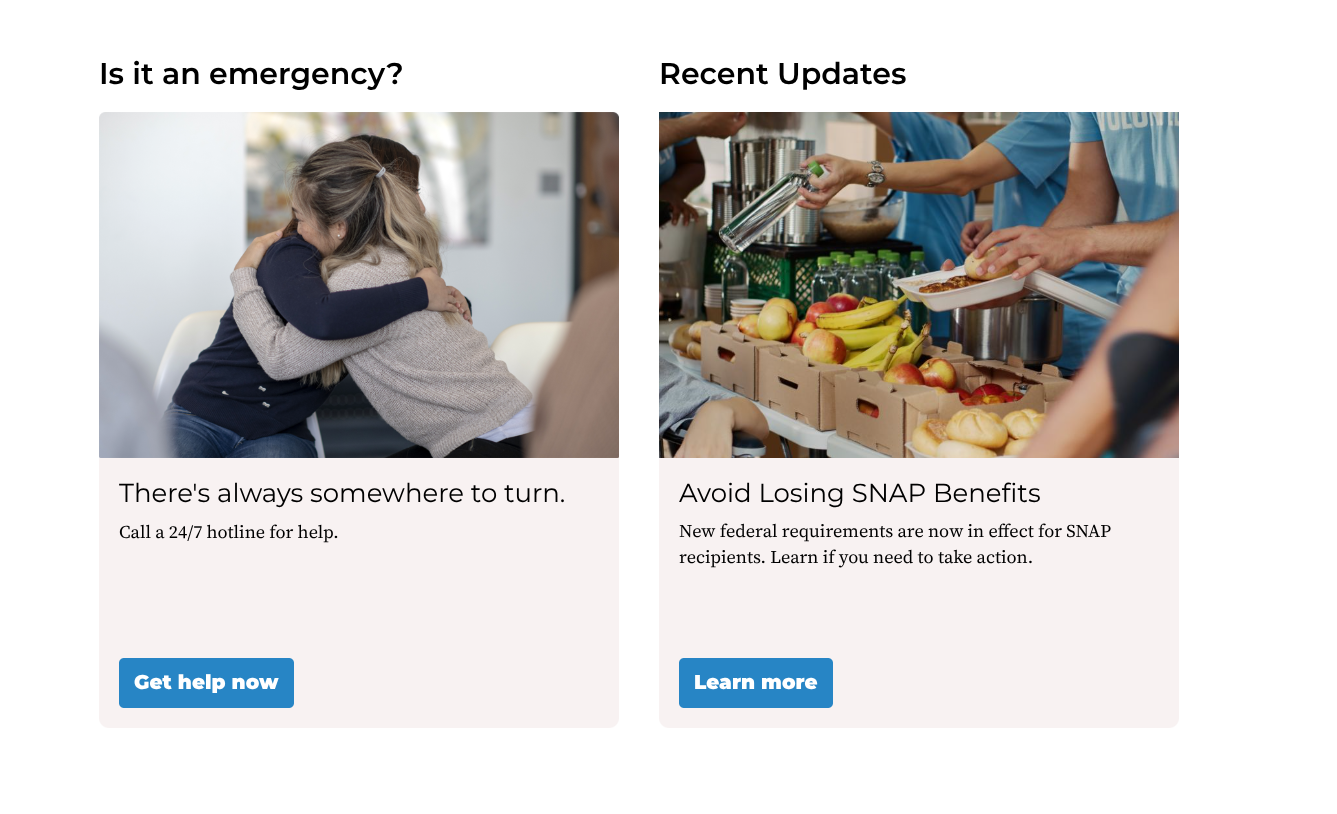
People in crisis don’t have time to search. Every page offers a clear, immediate path to emergency help. This was a content decision made early in the architecture and remained through every iteration.
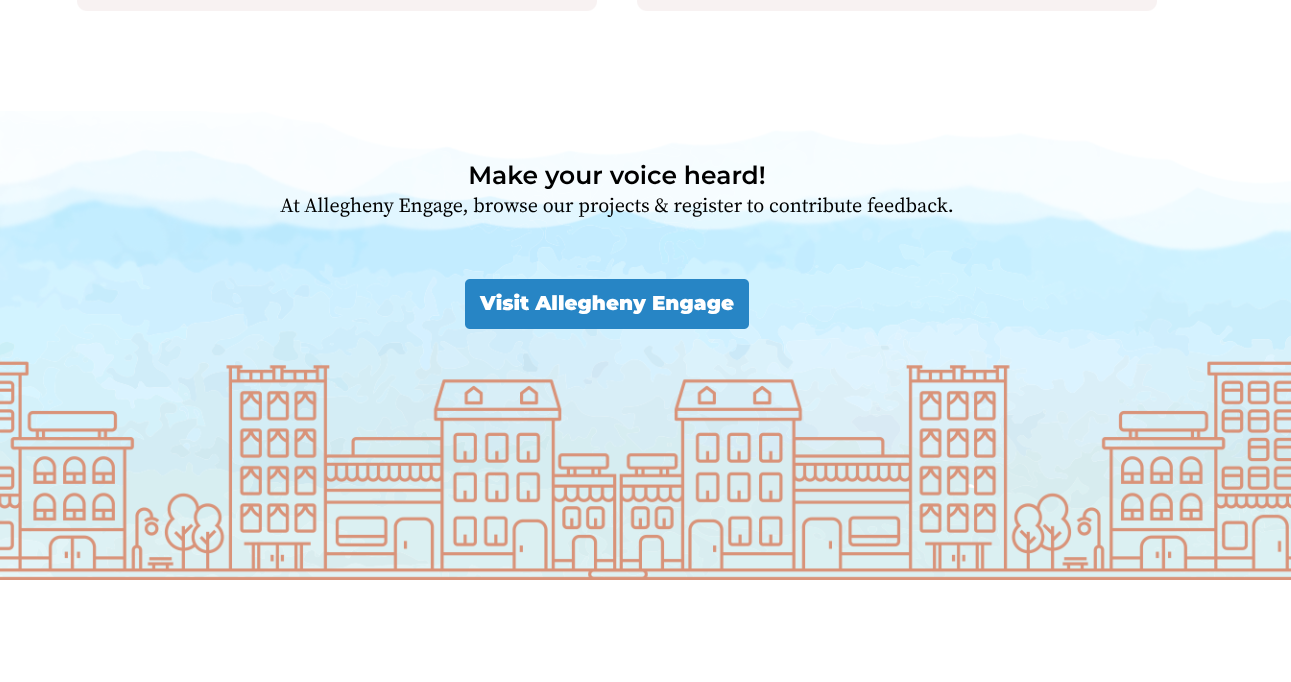
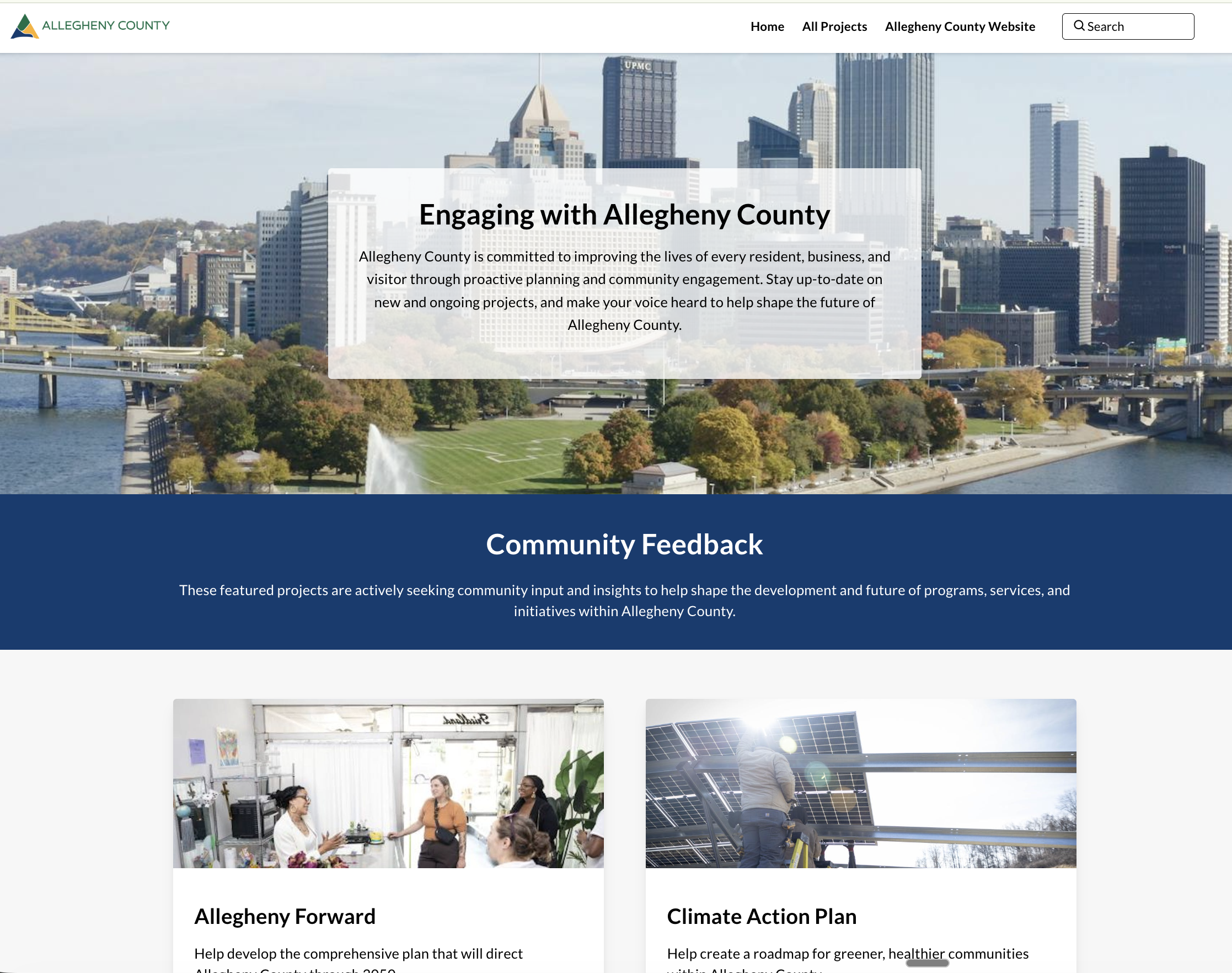
A citizen engagement platform
The site includes a direct channel for residents to report issues, give feedback, and ask questions. It creates a two-way relationship between the county and the people it serves.
03 — Result
Allegheny Connect launched as the first unified point of access to human services in the county’s history.
Getting here took four years. The biggest challenge was earning cooperation and buy-in from internal departments and the 400+ community agencies DHS partners with.
4 yrs
from idea to launch
400+
community agencies brought on board